

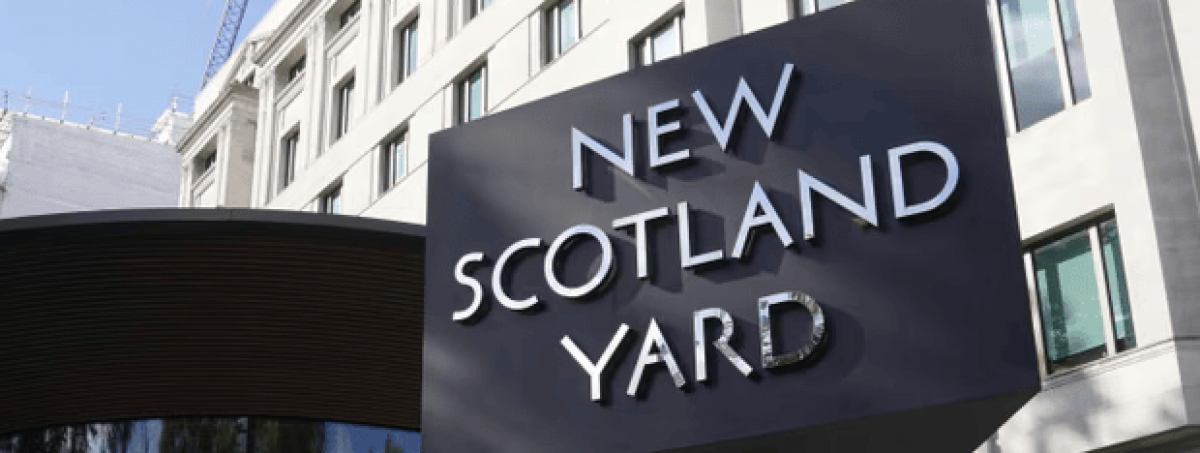
The Metropolitan Police has been granted a 12-month extension to continue operating an artificial intelligence pilot programme while conducting a new procurement process for a long-term technology provider.
As reported by The Guardian, the extension follows intervention by the Mayor’s Office for Policing and Crime (MOPAC), which halted plans for a longer-term agreement after determining there had been concerns around compliance with procurement requirements and supplier consideration.
The decision has placed procurement governance and competition at the centre of discussion around public sector technology purchasing.
According to the report, MOPAC concluded that the previous process had not sufficiently demonstrated broad supplier evaluation and required the Metropolitan Police to undertake a fresh procurement exercise open to a wider range of providers.
The existing pilot capability will remain in place temporarily while procurement activity progresses.
The AI system has been used by the Metropolitan Police to support analysis of internal operational information and identify areas for review linked to professional standards and organisational oversight.
Police representatives stated that maintaining continuity during the procurement period would allow ongoing operational use while enabling a compliant route to long-term supplier selection.
The development highlights growing scrutiny around how public bodies procure advanced technologies, particularly where artificial intelligence tools are involved.
For procurement professionals, the case reinforces several recurring themes in public sector contracting: ensuring competitive tender processes, maintaining transparent evaluation criteria and balancing operational requirements with regulatory obligations.
It also demonstrates the increasing expectation that procurement decisions involving emerging technologies must show robust governance alongside value and capability assessments.
As public sector organisations continue investing in digital transformation initiatives, procurement frameworks and supplier competition are expected to remain central to maintaining confidence in technology procurement outcomes.











.png)

