

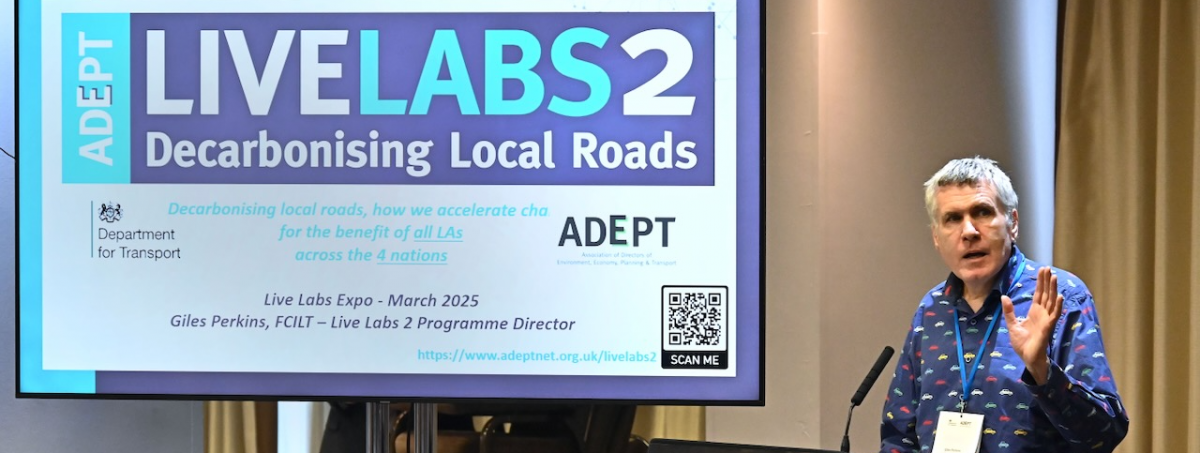
Local authorities have a new evidence base for making road maintenance spending work harder, with a practical guide showing how low-carbon approaches can reduce costs, save time and improve infrastructure performance. Published by the Association of Directors of Environment, Economy, Planning & Transport (ADEPT), The Little Book of Live Labs 2 translates lessons from a £30 million Department for Transport-funded programme into practical actions for highway procurement teams.
As reported by Geomechanics.io, the guide brings together findings from seven local authority-led projects that tested materials, technologies and maintenance techniques on live road networks across England, Scotland, Wales and Northern Ireland. Its 10 practical ideas cover procurement, carbon budgeting, street lighting and verge management, helping authorities consider environmental impact alongside cost, delivery time and performance.
The commercial case is central. According to ADEPT’s official announcement, the programme has delivered savings in street lighting, materials and maintenance. It has also reduced staff time spent on inspections and repeat visits, while alternative approaches to major works have shortened construction programmes. These findings give procurement teams practical evidence to consider when assessing products, services and maintenance methods.
For public-sector buyers, the guide offers an opportunity to strengthen tender specifications and move beyond upfront price alone. Evaluating whole-life costs, carbon impact, durability and maintenance requirements can help councils compare options more effectively and identify solutions that deliver value throughout an asset’s life. Suppliers offering efficient materials, lower-carbon technologies and innovative maintenance services also have an opportunity to demonstrate their value against clearer performance requirements.
The programme’s relevance extends across the UK, including Northern Ireland, where local authorities face the same need to maintain essential infrastructure while managing budgets and environmental commitments. The Chartered Institution of Highways & Transportation highlights the guide’s potential to help authorities adopt approaches already tested on real roads rather than developing every solution from scratch. Government recommendations are expected in the programme’s final report in spring 2027.
The immediate opportunity is to turn the evidence into purchasing practice. Highway authorities can review current specifications, identify suitable pilot approaches and engage suppliers on measurable cost, carbon and performance outcomes. Adoption will depend on local conditions and project requirements, but the programme gives buyers a stronger starting point for evidence-led decisions.
For the sector, the lesson is direct: sustainable procurement can deliver practical value when environmental goals are assessed alongside cost and performance. By applying lessons from Live Labs 2, councils can make more informed maintenance investments, support infrastructure resilience and encourage innovation across the road supply chain.
Source: Geomechanics.io / ADEPT / Chartered Institution of Highways & Transportation












.png)

