

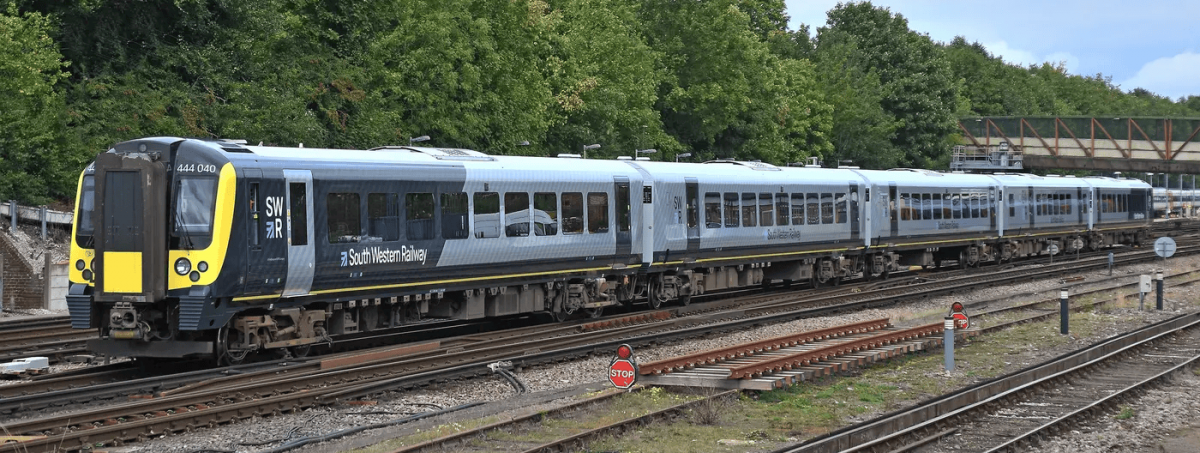
The UK Government is bringing accessibility further into railway procurement, with new Great British Railways trains expected to provide unassisted level boarding wherever possible.
The commitment, reported by the Daily Echo, forms part of a wider Government strategy covering future rolling stock and railway infrastructure. Rather than treating level boarding as an additional requirement after trains have been specified, the policy establishes it as a baseline expectation for new trains.
For National Procurement teams, the change is significant because it demonstrates how public purchasing decisions can shape the performance and accessibility of major national assets over their entire lifecycle. Train specifications can influence not only passenger experience, but also operational requirements, station compatibility, maintenance and long-term infrastructure planning.
The Department for Transport says new Great British Railways trains will aim to provide unassisted level boarding between trains and platforms as standard. The objective is to make journeys easier for disabled passengers, older people, parents with pushchairs and those carrying luggage, while reducing reliance on assistance when boarding.
The procurement policy sits within a broader rolling stock and infrastructure strategy designed to align decisions around trains, infrastructure and traction. The Government says the approach should support better sequencing of investment, improved value for money and a more stable pipeline for the rail industry.
That wider coordination could also create opportunities for rolling-stock manufacturers, rail engineering companies and infrastructure suppliers as Great British Railways develops its future procurement requirements. Accessibility specifications can become part of a broader commercial framework covering train design, platform compatibility, maintenance and whole-life performance.
The Government is also exploring whether future trains should be purchased rather than leased, giving Great British Railways greater control over rolling-stock investment and potentially supporting longer-term decisions around fleet standardisation and asset management.
For the sector, the level-boarding commitment shows how strategic procurement can deliver benefits beyond the immediate purchase. By incorporating accessibility and passenger safety into specifications from the outset, public buyers can help create better-performing assets while giving suppliers clearer expectations for the next generation of Britain’s railway.
Source: Daily Echo / Department for Transport / Great British Railways











.png)

