

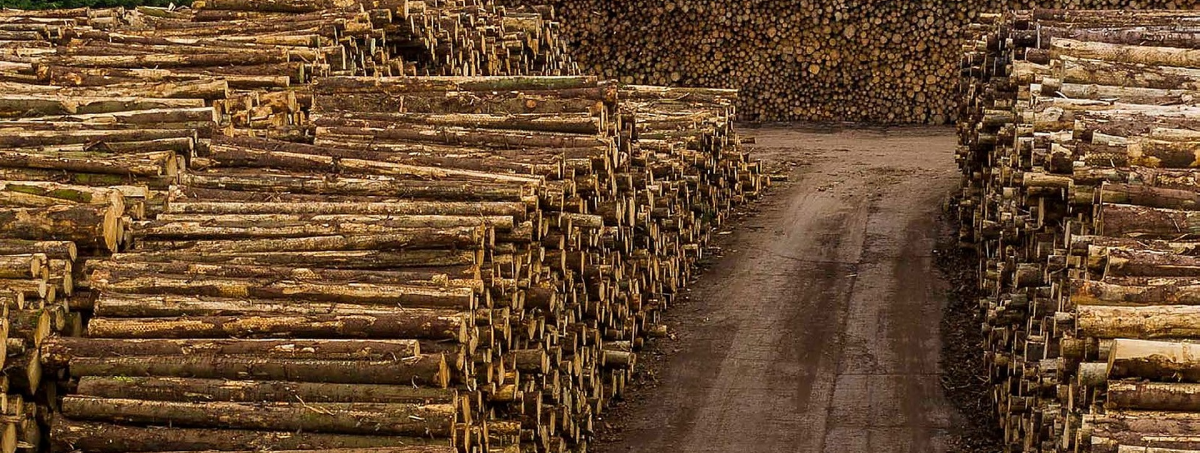
Ireland’s record timber purchases in 2025 are highlighting a broader opportunity for procurement: using public spending to strengthen domestic supply chains while supporting more sustainable approaches to construction and infrastructure.
According to the Central Statistics Office (CSO), Irish mills purchased 3.81 million cubic metres of roundwood in 2025, 7% more than the previous year and the highest volume recorded in the CSO series.
Private forests accounted for 1.61 million cubic metres, an increase of 371,000 cubic metres compared with 2024. The CSO notes that the increase was likely influenced by the volume of timber affected by Storm Éowyn, making the figure an exceptional snapshot of supply rather than simply a measure of underlying annual growth.
Nevertheless, the scale of the domestic resource reinforces the importance of timber within Ireland’s wider industrial and construction supply chain.
For procurement professionals, the opportunity extends beyond buying materials. Public procurement can help create demand for innovative, sustainable products while giving suppliers greater visibility over future requirements.
This is increasingly relevant as Ireland considers how timber can contribute to construction. The Government’s Timber in Construction Steering Group has examined international timber policies and opportunities for increasing the use of timber in construction, including through public-sector projects.
The direction is also reflected in work examining wood-first procurement. An Enterprise Ireland market study identifies opportunities to increase timber use in publicly funded construction while connecting the material with Modern Methods of Construction, sustainability and domestic supply-chain development.
This creates a valuable intersection between procurement and sustainability strategy.
Rather than treating timber simply as another construction input, public bodies can consider how specifications, project design and procurement frameworks can support appropriate use of renewable materials, provided technical, performance and lifecycle requirements are met.
The potential benefits extend across the supply chain. Greater demand can support Irish forestry, sawmills, timber manufacturers, construction businesses and emerging off-site and modular construction models. For procurement teams, it can also encourage greater supplier innovation and create opportunities to evaluate whole-life value alongside upfront cost.
The 2025 figures should therefore be viewed in a wider context. Ireland is simultaneously dealing with windblown forest recovery while developing its future timber resource. The €55 million Reconstitution Scheme for Windblown Forests is supporting forest owners affected by Storms Darragh and Éowyn, helping maintain the foundation for future domestic supply.
For national procurement, this presents a constructive opportunity: connect purchasing power with supply-chain resilience, sustainable construction and long-term economic value.
As Ireland invests in housing, infrastructure and public buildings, procurement decisions can play a practical role in determining how much value is retained within domestic supply chains and how effectively Irish-grown timber contributes to the country's next generation of construction.









.png)

