

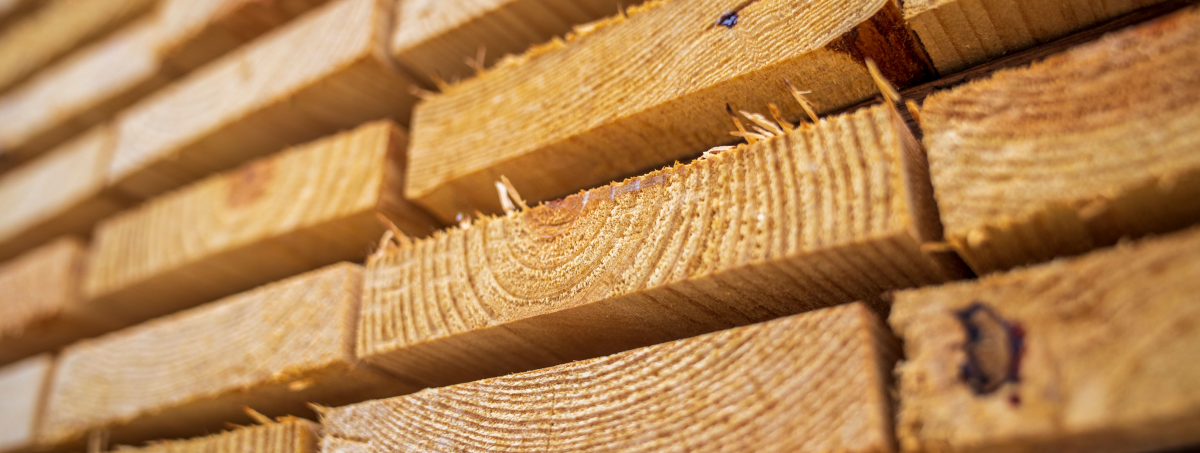
Ireland’s public procurement sector has a growing opportunity to influence how the country builds, with the Government’s latest timber strategy creating a clearer pathway for sustainable materials to become part of mainstream construction. The Timber in Construction Steering Group has now moved into an implementation phase, bringing Government departments, State bodies and agencies together to progress seven recommendations aimed at increasing the safe use of timber and mass engineered timber in Ireland. The Government’s Timber in Construction programme provides the framework for taking this work forward.
For procurement professionals, the significance is that timber is increasingly being considered through the lens of procurement policy rather than simply as a construction material. The recommendations include an interim national procurement arrangement for specialist advisers, greater use of timber in Government projects, and the inclusion of embodied carbon targets and whole-life-cycle assessments within design and procurement processes. This gives public buyers an opportunity to connect purchasing decisions with sustainability, innovation and long-term asset value.
The development of a national technical specification could provide another important step forward. The National Standards Authority of Ireland (NSAI) established a new Technical Committee on Mass Engineered Timber in September, with the aim of examining a national specification that can provide greater clarity and consistency for designers, builders and regulators. For procurement teams, clearer technical requirements can create greater confidence when specifying innovative construction approaches and engaging suppliers.
This also creates opportunities across the supply chain. A stronger public-sector market for timber can support manufacturers, specialist contractors, engineers, advisers and technology providers while creating demand for expertise in modern methods of construction. Government procurement can therefore do more than purchase individual projects: it can help create the market conditions for Irish companies and construction partners to develop capability around timber, sustainability and low-carbon building.
The opportunity is particularly relevant as Ireland continues to invest in housing and infrastructure. The Government has identified public procurement and demonstration projects as part of the Timber in Construction programme, with procurement work examining how public projects can promote safe, sustainable and renewable products, including timber. The eTenders procurement initiative provides a practical example of how public procurement can help explore the role of timber in future construction projects while building knowledge and confidence across the market.
The sector takeaway is clear: public procurement can play a much bigger role in shaping Ireland’s sustainable construction market. By incorporating clearer timber specifications, whole-life carbon considerations and appropriate performance requirements into procurement strategies, public bodies can support innovation while delivering long-term value. Ireland’s move into the implementation phase gives procurement professionals an opportunity to help turn timber from an emerging construction option into a more established part of the country’s sustainable building pipeline.











.png)

