

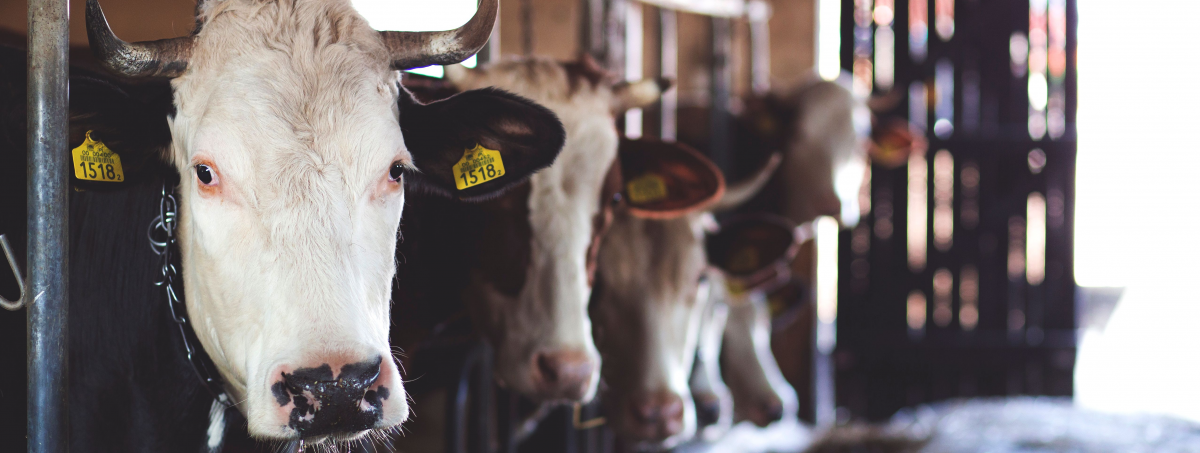
Ferrero and Arla are strengthening the link between dairy procurement and farm-level sustainability, giving sourcing teams access to primary emissions data while supporting farmers through financial incentives and new agricultural practices.
The partnership, reported by Procurement Magazine, operates through Arla’s FarmAhead Customer Partnership Program and has been running with Ferrero since January 2025. The model combines farm-level carbon data, financial support and innovation, creating a more direct connection between purchasing decisions and environmental performance further upstream in the supply chain.
Ferrero is a global food company behind brands including Nutella, Kinder and Ferrero Rocher, with a presence across more than 170 countries. Its scale and extensive agricultural sourcing footprint make supply-chain sustainability an increasingly important consideration within its procurement strategy.
For procurement teams, the most significant development is the move towards primary supplier data. According to Ferrero, the partnership gives the company access to farm-level carbon-footprint data, helping it track progress over time rather than relying solely on broader industry estimates.
The partnership also demonstrates how supplier engagement can extend beyond conventional commercial relationships. Financial incentives can support farmers in adopting lower-impact practices, while procurement organisations gain a route to connect sustainability commitments with measurable activity within their supply base.
Ferrero aims to source at least 30% of the volume of its dairy ingredients through dedicated farmer-support mechanisms by the end of 2027. For procurement leaders managing Scope 3 emissions, that target illustrates how sustainability requirements can increasingly be incorporated into long-term supplier strategies rather than treated as a separate reporting exercise.
Arla says its FarmAhead Customer Partnerships enable customers to invest directly in on-farm sustainability efforts, helping reduce both Arla’s emissions and emissions within customers’ own value chains. The approach combines data, farmer support and innovation to improve visibility of upstream environmental performance.
The model could have relevance beyond dairy as procurement teams across food and agriculture seek more reliable supplier-level information and practical mechanisms for influencing Scope 3 performance.
For the sector, sustainable procurement is increasingly moving from broad commitments towards measurable supplier performance. Farm-level data and structured supplier incentives could give procurement teams greater influence over upstream emissions while strengthening transparency, resilience and long-term supply relationships.
Source: Procurement Magazine / Ferrero / Arla










.png)

